


The landscape of college athletic recruiting has shifted dramatically. Athletic recruiting trends in 2025 reveal three major forces reshaping how coaches recruit and how student-athletes navigate the process: the rise of NIL deals, the expanded transfer portal, and intensified competition at every level. Understanding these changes and what remains constant is essential for families approaching the recruiting journey with realistic expectations and authentic goals.
College Athletic Recruiting in 2025
View our blog: 5 Mistakes Parents Make in Athletic Recruiting
- NIL (Name, Image, Likeness) deals have changed how college athletics operates, creating new opportunities but also new complexities that families need to understand
- The transfer portal has made recruiting more competitive at every level—Division I, II, III, and NAIA—because coaches can now recruit experienced college players, not just high school graduates
- Competition for roster spots is fiercer than ever, as coaches have access to student-athletes who already know how to handle college academics, training schedules, and team dynamics
View our blog: Why Division III Athletics Deserves Your Attention
What Still Matters Most in 2026
- Building genuine relationships with coaches through personalized, consistent communication remains the foundation of successful recruiting
- Academic standards haven’t changed, whether you’re pursuing Ivy League schools, high-level Division I programs, Division III colleges like NESCAC schools, or any other institution, you must meet their academic requirements
- Most college athletes start in developmental roles, unless your student-athlete is in the top 1-3% nationally or globally in their sport, expect them to work their way up the roster in Division I, II, or III programs
- NAIA is also a great option for student-athletes, but only if both the academic culture and athletic program are the right fit for your family’s goals and values
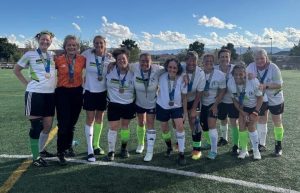
Kim at Huntsman World Senior Games (Bronze Medalists – Penalty Kicks)
What Student-Athletes Control in the Recruiting Process
- Social media accounts should present a professional, positive image that coaches will see when evaluating recruits
- Honest, direct communication with coaches builds trust and shows maturity—this includes being upfront about academic interests, other schools being considered, and realistic athletic goals
- Demonstrating genuine interest in the entire college experience matters, coaches want student-athletes who care about academics, campus life, and the community, not just playing time
Leveraging Your Club Coach—With Caution
- Club coaches can be valuable allies in helping narrow down college options and keeping college coaches informed about your student-athlete’s progress and interest level
- However, be aware of potential conflicts of interest, some club coaches have established allegiances to certain colleges or programs based on their own histories, relationships, or where they’ve successfully placed athletes in the past
- These preferences may not align with your family’s best interests; a club coach might steer student-athletes toward programs where they have connections rather than programs that offer the best academic or athletic fit
- Do your own research and maintain direct communication with college coaches while using your club coach as a supplementary resource, not your sole advocate
- Ask your club coach directly about their relationships with programs you’re considering so you understand any potential biases before relying on their recommendations
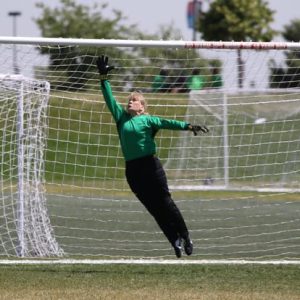
Kim in the goal.
How Student-Athletes Can Prepare for College Athletics Now
- Athletic preparation means training and conditioning at a higher level before college begins—summer training programs, strength coaches, and sport-specific skill development are essential
- Academic preparation is non-negotiable—maintaining strong grades, challenging course loads, and developing study habits will determine success in balancing college athletics and academics
- Lifestyle habits including proper nutrition, consistent sleep schedules (7-9 hours nightly), and stress management skills must be developed in high school
- Time management skills are critical—student-athletes need to learn how to balance rigorous academics, 20+ hours of weekly athletic commitments, social life, and personal health
Bottom Line for Families
Student-athletes who understand these realities before stepping on campus, prepare their bodies and minds in advance, and approach the process with realistic expectations will be far better positioned to succeed. This preparation starts now, not after signing day or when classes begin. Parents play a crucial role in helping their student-athletes develop these habits, maintain perspective throughout the recruiting journey, and ensure that all recruiting decisions, including which advisors to trust, align with the family’s authentic goals and values.
Ready to navigate athletic recruiting with expert guidance? Consult with McMillan Education’s athletic recruiting educational consultants to build a strategic timeline and approach the process with structure.
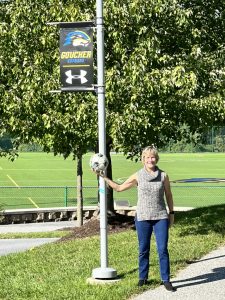
Kim visits Goucher College